As AI continues to transform education, healthcare, business, and everyday life, an important question is emerging around the world: How can technology advance without losing sight of human dignity?
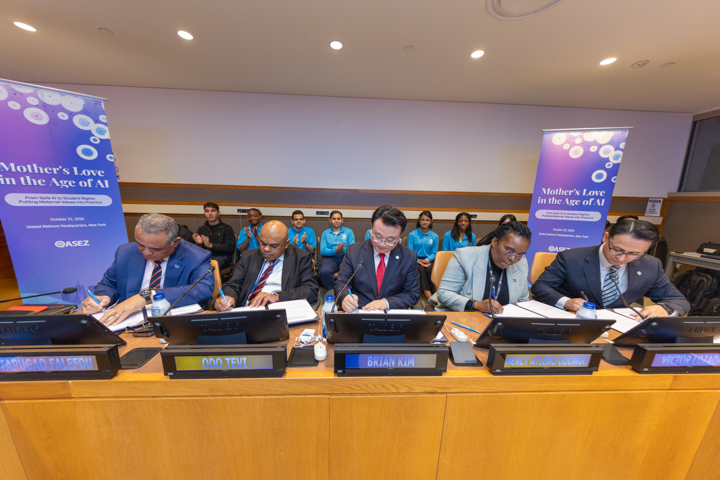
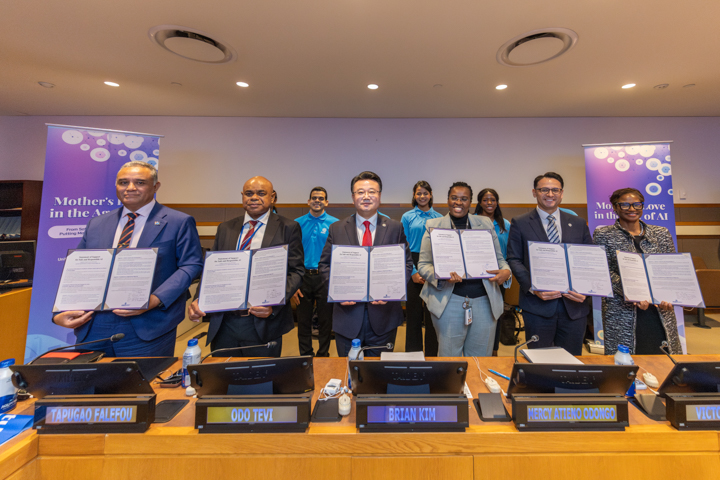
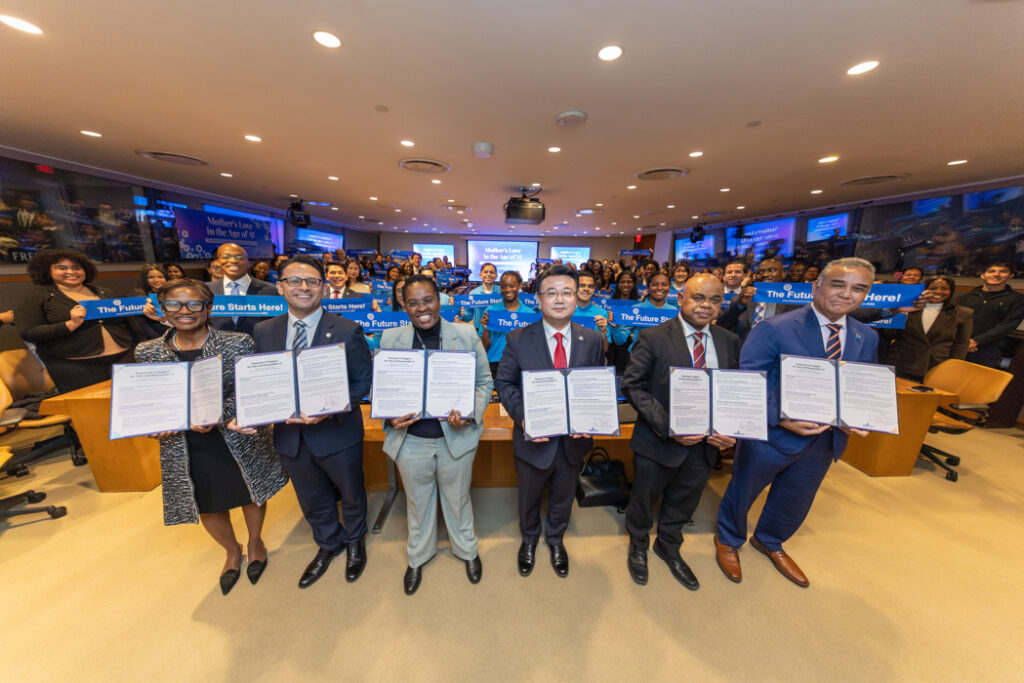
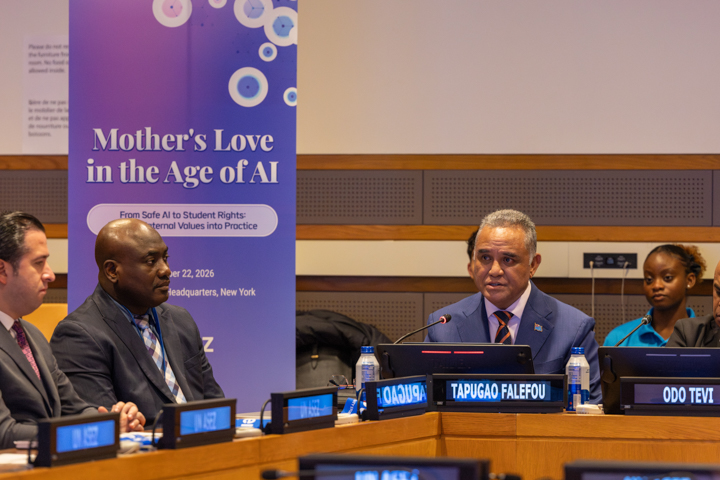
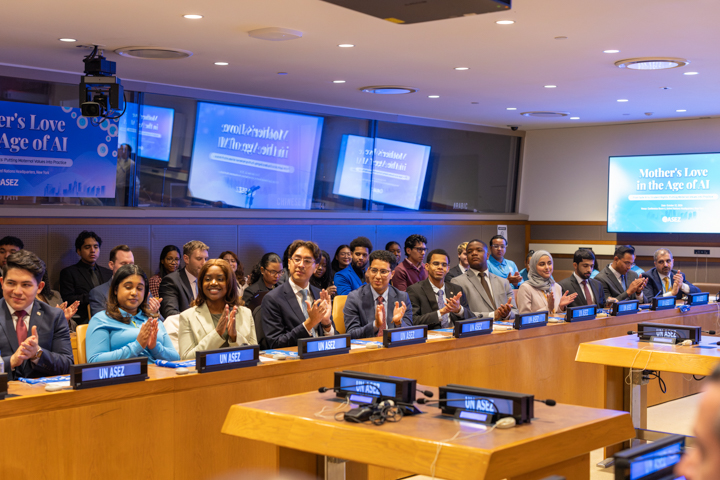
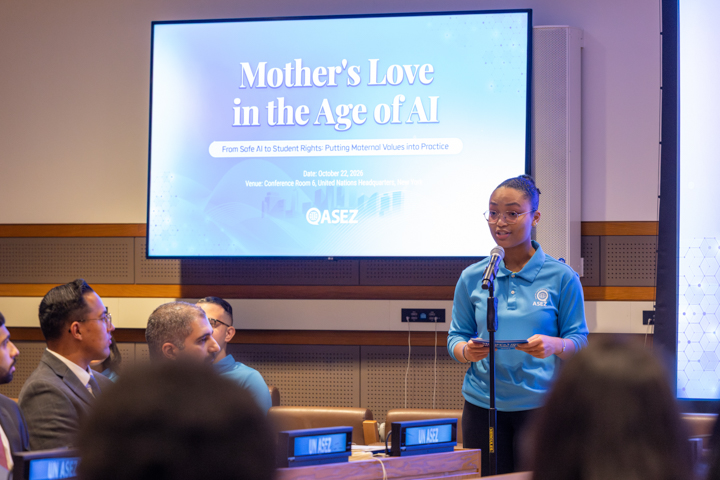
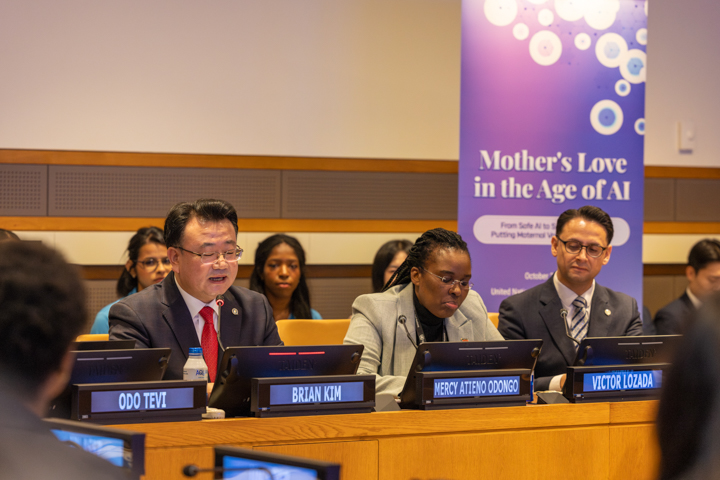
To address this challenge, ASEZ hosted the forum Mother’s Love in the Age of AI: From Safe AI to Student Rights at United Nations Headquarters in New York.
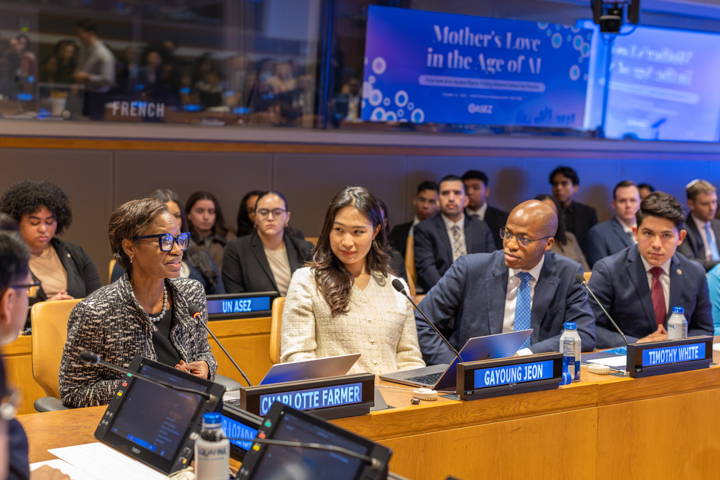
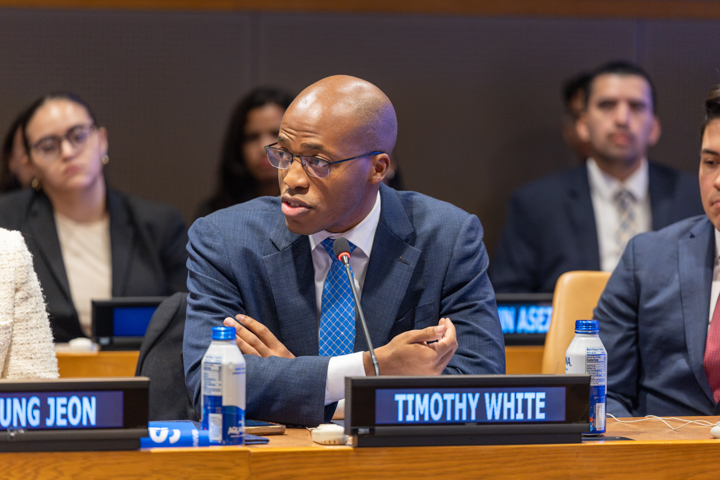
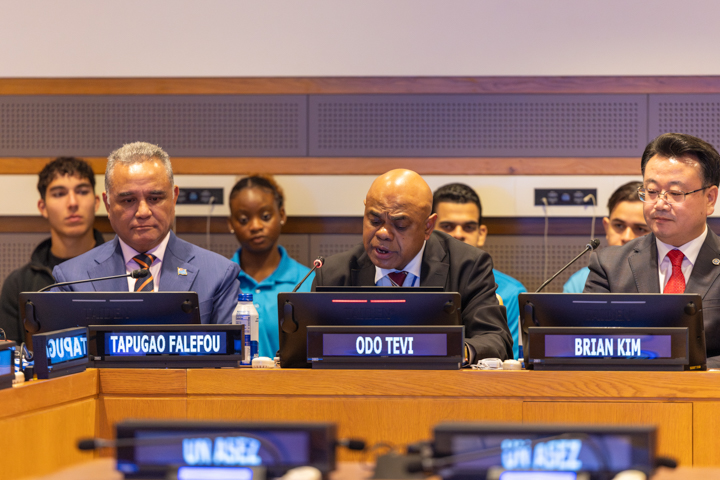
Co-hosted with the Permanent Missions of Tuvalu and Vanuatu to the United Nations, the event welcomed approximately 170 participants. Ambassadors, AI researchers, educators, students, and representatives of international organizations attended. In addition, students from Harvard University, Columbia University, Pace University, Tufts University, the University of Pennsylvania, and other institutions joined the discussion on the future of AI and human rights.


Why Mother’s Love in the Age of AI Matters
ASEZ presented a simple but powerful answer: human life and human dignity must remain at the center of technological progress.
As AI becomes more capable, many discussions focus on innovation, efficiency and economic growth. While these benefits are important, ASEZ emphasized that technology should also protect vulnerable people, promote fairness and strengthen trust within society.
The forum introduced the concept of mother’s love in the age of AI as a practical value for guiding responsible innovation. Mother’s love is characterized by compassion, protection, patience and selfless care for others. It seeks to understand before judging and protect before demanding results.
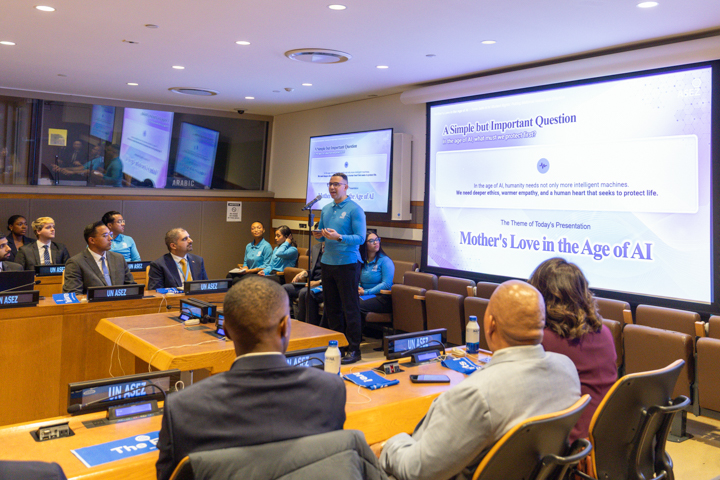
“Mother’s love, a love that embraces life, protects it, and never gives up, is the oldest and most powerful language of our shared humanity,” said Tyree, an ASEZ volunteer, who presented ASEZ’s vision.
Moreover, participants explored how these values can influence the way AI is designed, governed, and used, ensuring that technological advancement serves humanity rather than overshadowing it.
“Let love lead innovation. Let human dignity guide technology. Let the heart that protects shape the future of AI,” said Nas, student presenter and ASEZ student from Harvard University. “Where a mother’s love is put into practice, humanity can remain at the center of the future. Where empathy reaches, peace can begin. May today mark the beginning of that action.”
Building Ethical AI Through Global Partnership
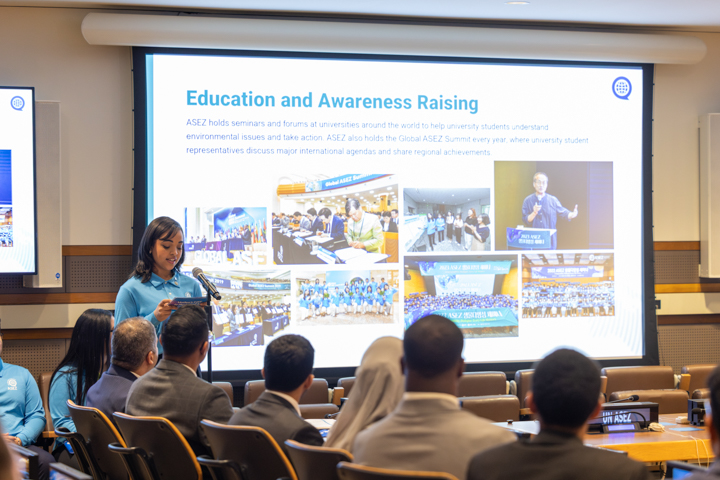
One of the central messages of the forum was that no single organization or sector can build a trustworthy AI future alone.
Governments, international organizations, universities, technology companies, civil society groups, and young people all have important roles to play. So, creating ethical AI requires open dialogue, collaboration and shared responsibility.
This vision closely aligns with several United Nations Sustainable Development Goals, including:
- SDG 3: Good Health and Well-Being
- SDG 4: Quality Education
- SDG 9: Industry, Innovation and Infrastructure
- SDG 10: Reduced Inequalities
- SDG 16: Peace, Justice and Strong Institutions
- SDG 17: Partnerships for the Goals
The forum emphasized that AI for Good must be AI for all. Success should not be measured solely by technological capability. Instead, it should be measured by whether technology strengthens human dignity, protects vulnerable populations and creates opportunities for everyone.
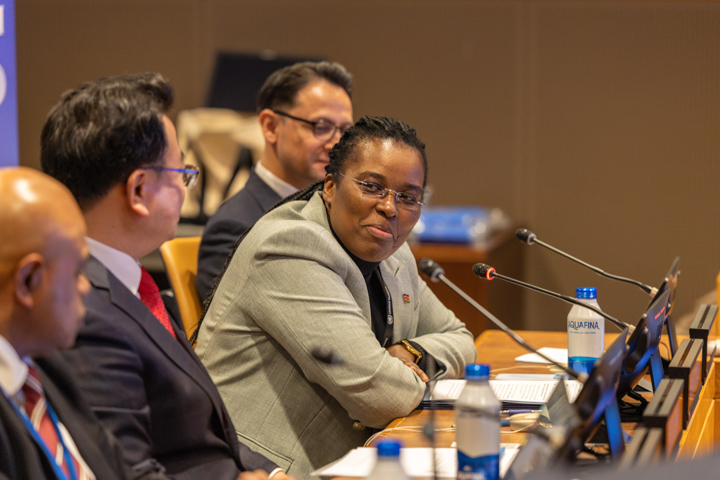
Keynote speaker Mercy Atieno Odongo, Minister at the Permanent Mission of the Republic of Kenya to the United Nations, said: “The true measure of progress in artificial intelligence will not be how intelligent our machines become, but how much more capable, free, caring, and empowered human beings become because of them.”
ASEZ Launches a Campus Digital Rights Initiative
Beginning this December, ASEZ will launch a three-year Campus Digital Rights Campaign. Through surveys and student engagement, the initiative will examine how AI influences educational opportunities and student experiences.
In the end, the findings will be compiled into a Youth Report scheduled for release in early 2027. ASEZ plans to present the results at the United Nations in 2028. Also, the organization continues to advocate for greater youth participation in global AI governance discussions.
Mother’s Love in the Age of AI: Keeping Humanity at the Center
Overall, the message of the forum was that as humanity enters an age of increasingly powerful intelligence, it must also cultivate deeper connections.
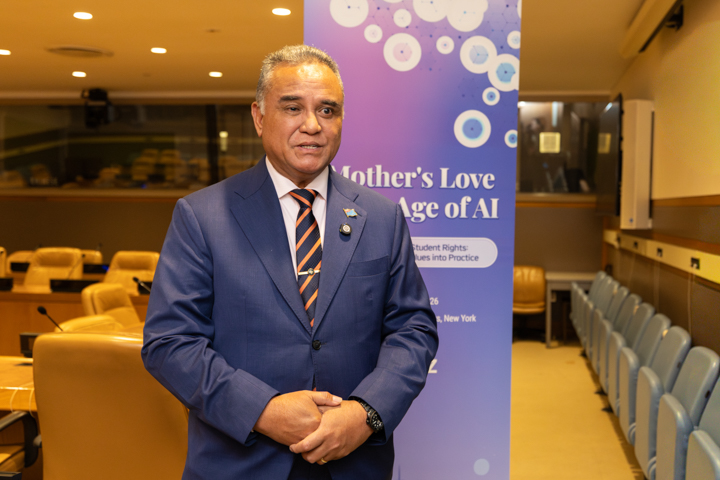
“No matter how advanced technology becomes, it cannot replace the importance of human connection, moral responsibility, and respect for human dignity,” said H.E. Dr. Tapugao Falefou, Permanent Representative of Tuvalu to the United Nations.
Innovation should be guided by love. Technology should be guided by human dignity. And progress should always be measured by its impact on people.
When the spirit of mother’s love shapes the future of AI, technology can become more than a tool for advancement. It can become a force that protects life, strengthens communities, and helps create a more peaceful world for future generations.
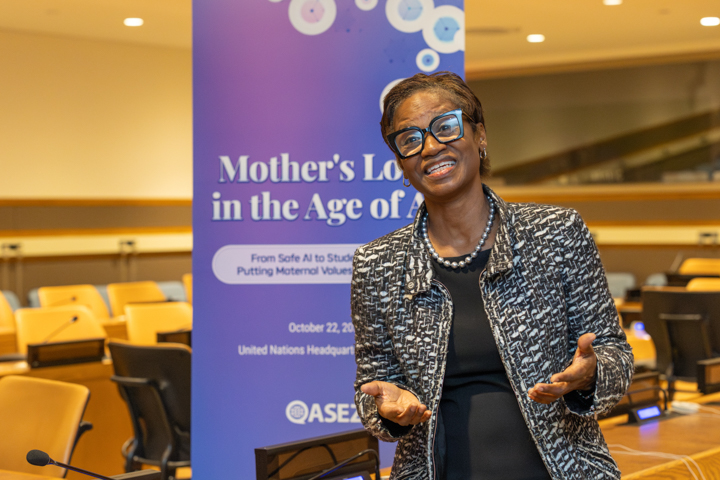
“AI is a human challenge,” said panelist Dr. Charlotte Farmer, Chair of the Board of SAFE Standard AI. “Empathy is key to understanding the issues. Responsibility is the action.”