
Did you know that New York City is known for having some of the highest-quality drinking water in the world? The city’s water supply is often praised for its taste and quality thanks to a carefully protected watershed and advanced treatment processes. In fact, New York City officials describe the city’s tap water as among the best in the world.
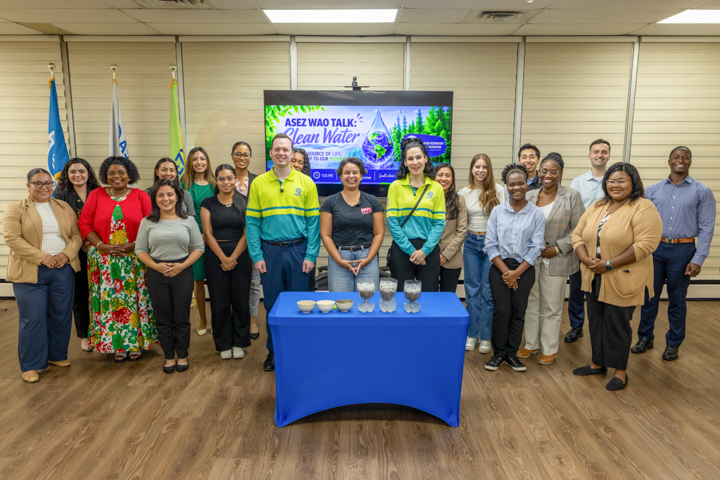
Volunteers in Scarsdale, NY hosted an ASEZ WAO Talk to highlight their Clean Water campaign. The event featured special guest speaker, Ana Colorado from NYC Department of Environmental Protection.
Keeping New York City’s Water Clean
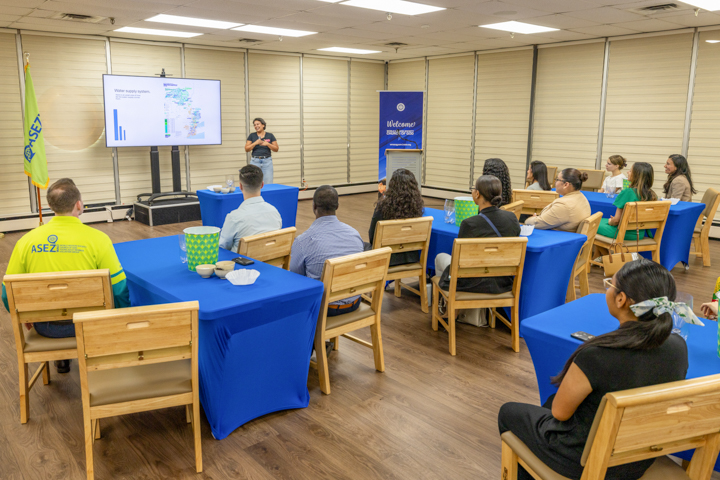
Colorado works as a water filtration operator for the New York City Department of Environmental Protection at the Croton Water Filtration Plant. She helps ensure that millions of residents across New York City have access to safe drinking water every day. During the presentation, she explained how water travels from reservoirs to treatment facilities, where operators carefully monitor the filtration process and test water quality before it reaches homes and businesses.
Colorado also shared insights about her daily work. She monitors multiple systems and screens that track every stage of the treatment process. At the Croton facility, large filters remove particles and impurities, while additional treatment methods help ensure the water remains safe to drink.
Clean Water for Future Generations
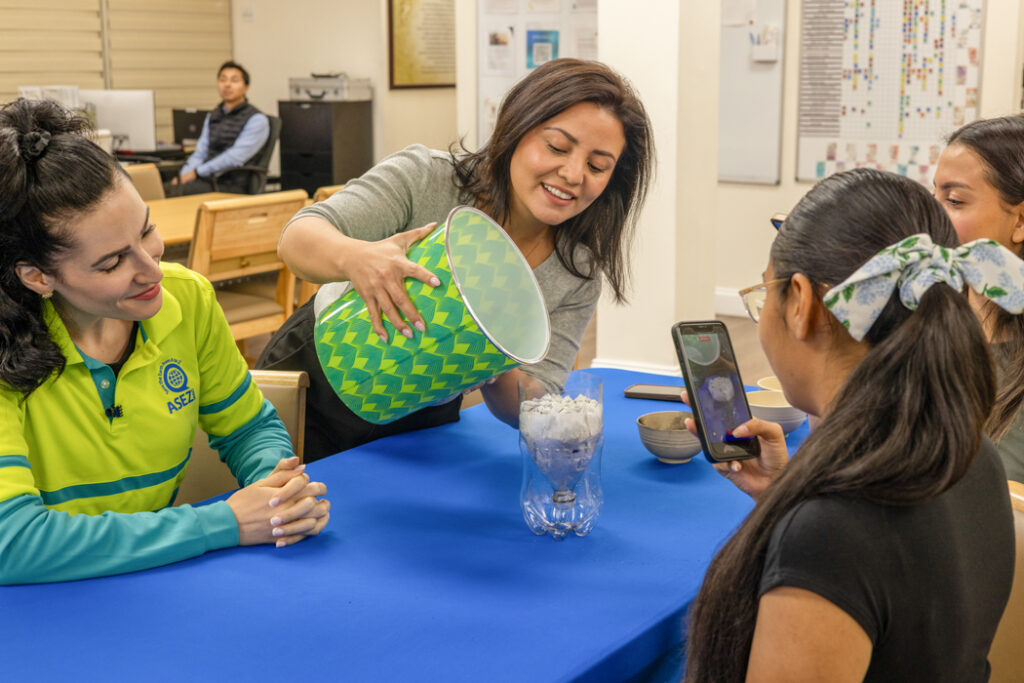
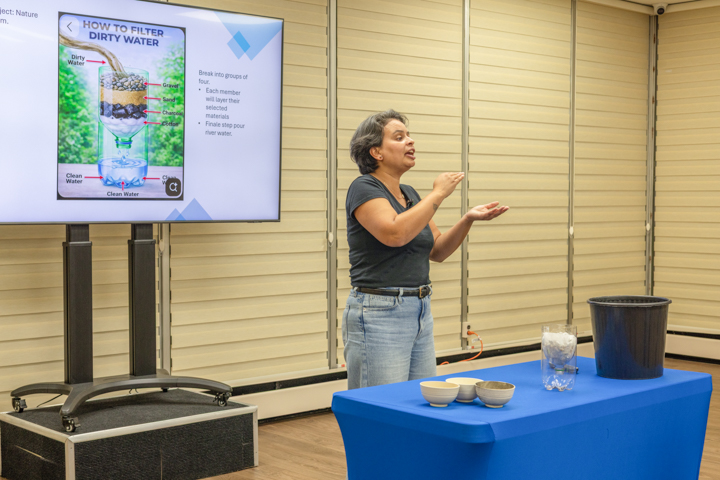
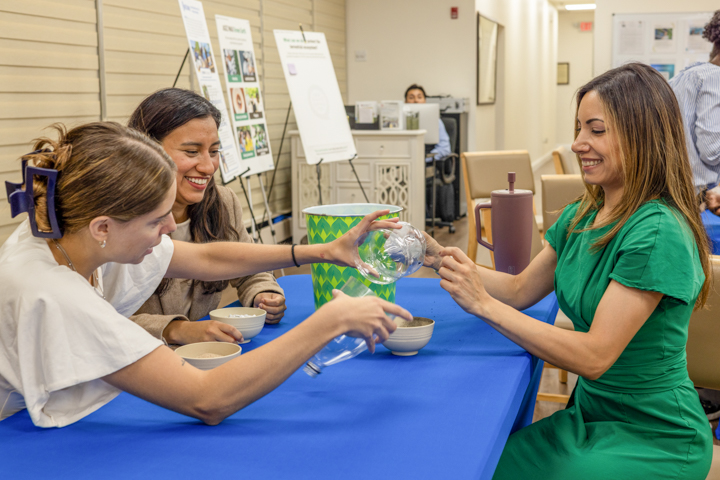
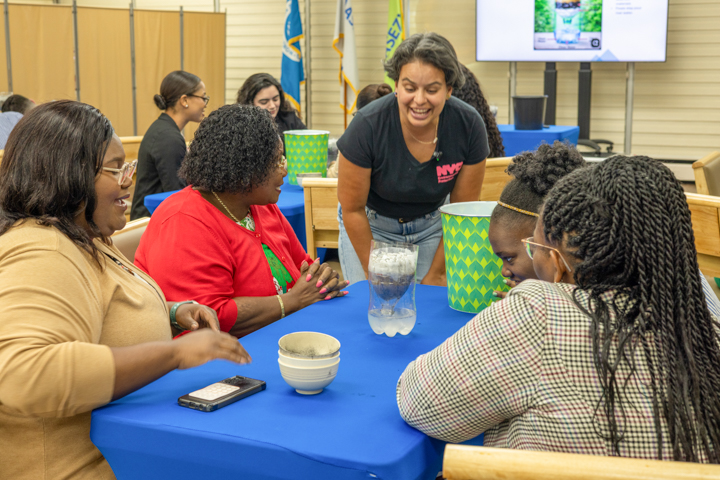
To make the presentation interactive, Colorado led a hands-on water filtration demonstration. Participants used cotton balls, charcoal, sand, and gravel to filter water collected from the Bronx River. By layering each material inside a bottle, guests watched the water gradually become clearer. Colorado explained how each layer captures different types of contaminants, demonstrating the same basic principles used in modern water treatment systems.
The event also highlighted the connection between water conservation and environmental protection. Colorado encouraged attendees to take simple actions such as turning off the faucet when not in use, properly disposing of waste, and reducing pollution. These small everyday habits help protect water sources, support local ecosystems, and contribute to a healthier environment for future generations.

